SEO
 Digital PR
 GEO / AI Search
 Social




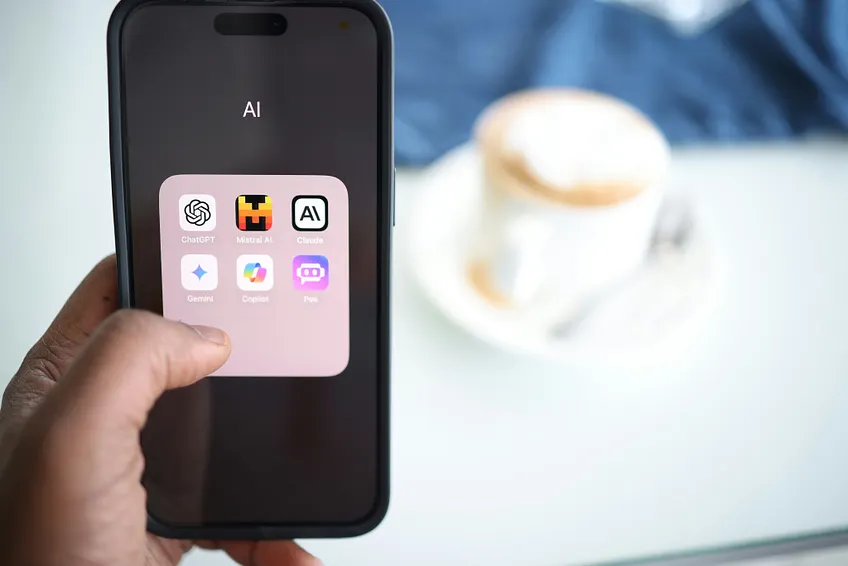


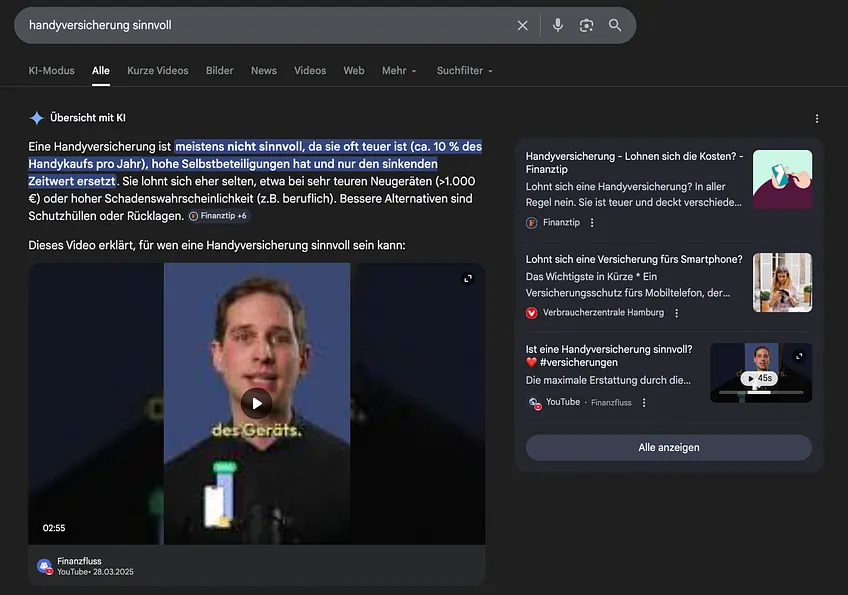
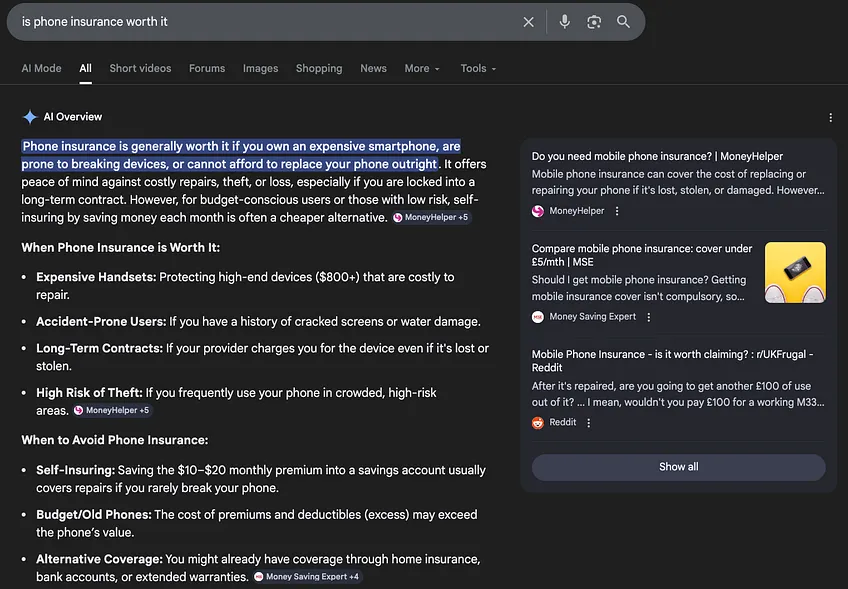
This means: One localisation approach won’t fit all. We need to truly understand which AI tools our audiences are using, how they search in them, and what kind of sources different LLMs consider to be relevant
International SEO in the era of AI – not dead, but different
International SEO isn’t going anywhere. But we need to think it differently and move away from the “One URL, one language” approach, supported by technical tools.
We need to ask ourselves: instead of translating or localising my content, what can I provide for my local target audiences to make it truly relevant and hyper-personalised to them? AI has raised the stakes: What’s emerging is a more sophisticated discipline that blends technical SEO, cultural intelligence, and AI fluency.
The era of translated content pages is over.
Key takeaways
- AI translations have real limits: Machine translations are fast, cost-effective and improving in quality, but they struggle with cultural relevance, intent alignment and trust-building. They can be a great start when you want to translate a website from scratch, but to be successful in the long term, you will need to consider impactful transcreation efforts
- Technical SEO signals are losing grip: Classic tools like hreflang are still meaningful when it comes to organic clicks, but the “one URL, one language” approach doesn’t apply to LLMs. You need to consider a more holistic optimisation approach for LLMs to understand your site’s intent.
- LLMs carry biases toward English-language sources:. Even when users search in other languages, ChatGPT frequently draws on English content, meaning businesses that dominate local SERPs can even be invisible in LLM-generated answers. If this is the case for you, you need to ensure that your content is hyper-relevant for local audiences.
- Entity clarity and hyper-personalisation are the new priorities: LLMs reward brands that are well-documented and unambiguous across the web. Content needs to go beyond localisation into full transcreation, deeply embedding a brand into local culture and context.
- Different AI systems behave differently: Google AIOs and ChatGPT weigh signals differently, and search behaviour varies by market, meaning no single localisation strategy works universally.
___________
Further reading